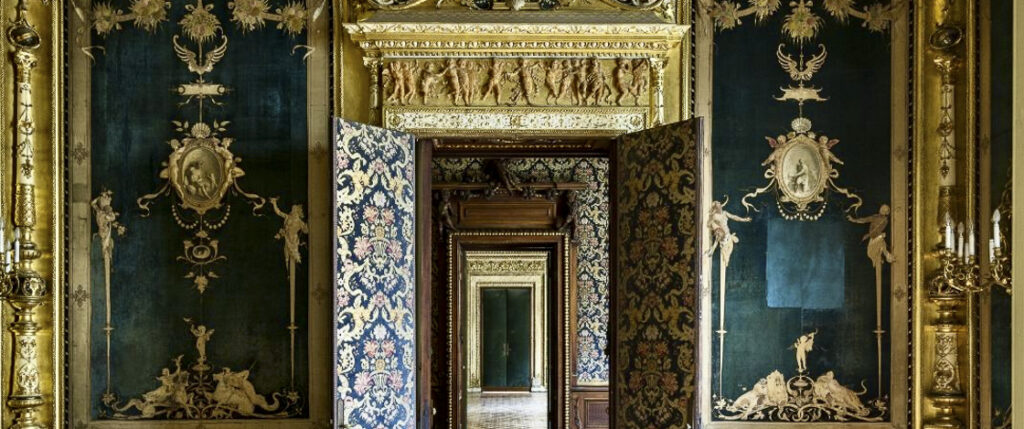
No white-cube galleries, but raw concrete, monumental spaces, soaring natural light and views across the River IJssel.
Here, art responds directly to its surroundings. Members of Pulchri Studio exhibit in and around De Koelwaterhal in Zwolle. What happens when artists from The Hague take up residence in a former power station on the banks of the River IJssel?
With Hofstad meets Hanzestad, De Koelwaterhal is transformed into an expansive artistic landscape where contemporary art, industrial heritage and the surroundings of Zwolle converge. Thirty artists from Pulchri Studio present paintings, sculptures, drawings and installations throughout and around De Koelwaterhal.
Art that takes over the space
As a visitor, you move through a constantly shifting landscape of artworks, industrial architecture and sightlines extending outwards. Inside De Koelwaterhal, intimate encounters unfold between drawings, paintings and monumental sculptures.
Outside, around the building and across the surrounding grounds, installations and sculptures enter into a direct dialogue with air, wind, water and scale. In this way, the exhibition extends beyond the walls of the building. A dialogue between two cities Hofstad meets Hanzestad brings together two cultural worlds.
Founded in 1847 and based on the Lange Voorhout in The Hague, Pulchri Studio is one of the oldest artists’ associations in the Netherlands. For this exhibition, the artists deliberately step beyond their familiar context, seeking an encounter with Zwolle, the River IJssel and the former Harculo power station. It is precisely this new setting that alters the experience of the work. De Koelwaterhal becomes not merely an exhibition space, but an active presence within the exhibition itself.
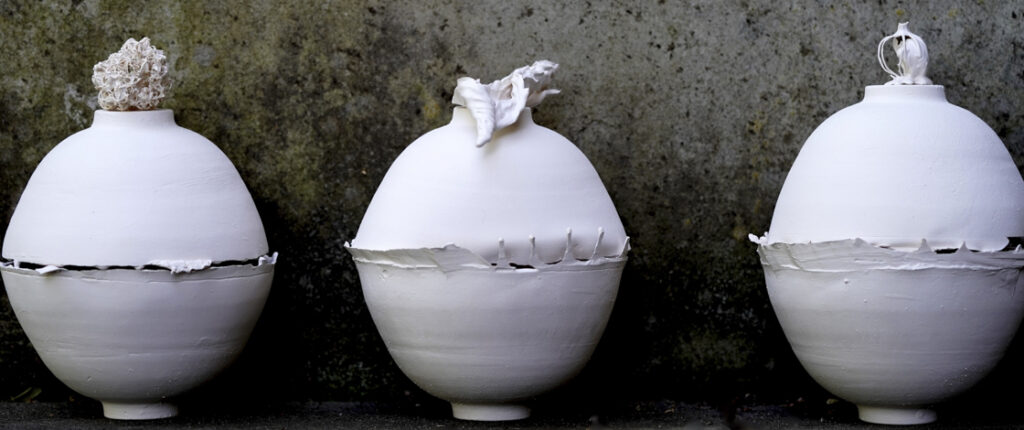
installaties van keramiek
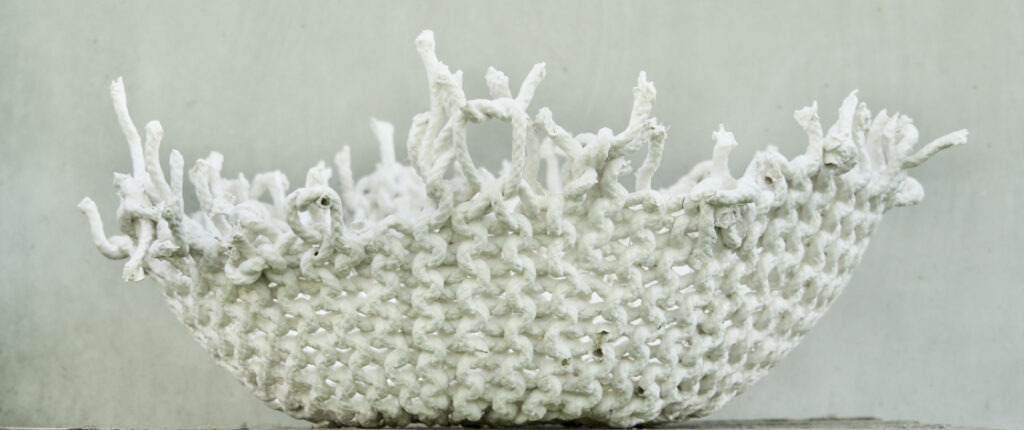
Installatie A-VOID
Titel | A-Void
Jaartal 2026
Material transformation | textile + clay
By encasing discarded textiles in clay—an ancient, enduring material—a tension emerges between transience and continuity, between softness and hardness. The work appears solid, at times monumental, yet remains empty within. Hollow, like a discarded piece of textile. Its structures, however, remain visible: folds, seams, fibres. And now, captured in clay, it endures as a fossil of our time.
Wat waardevol lijkt, blijkt van binnen leeg. Dit contrast is geen toeval, maar een spiegel. Dit werk nodigt uit tot reflectie. Niet alleen op wat we dragen, maar ook op wat we achterlaten.
Door afgedankte materialen te onderwerpen aan een alledaags materiaal als klei, krijgen ze een nieuw, duurzaam lichaam. Wat bedoeld was als tijdelijk, snel geproduceerd en weer vergeten, wordt nu geconserveerd. Een stuk textiel dat anders niet zou overleven, wordt een sculpturaal monument van onze tijd.
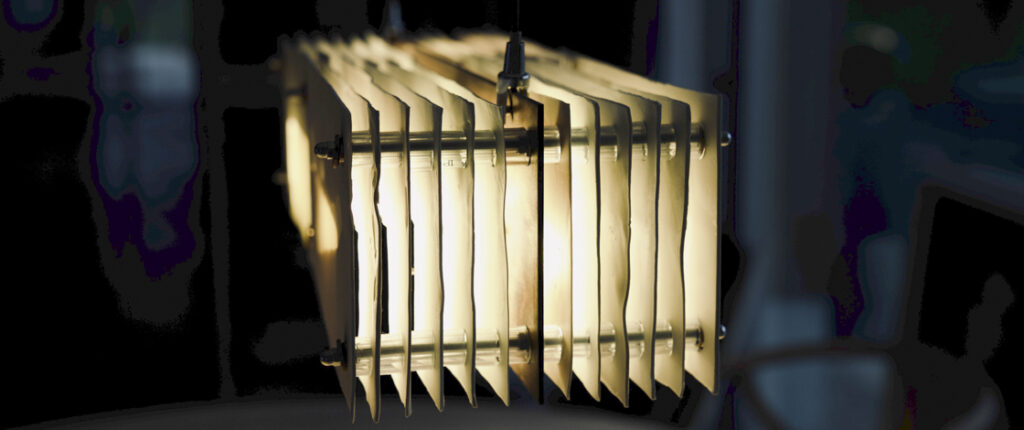
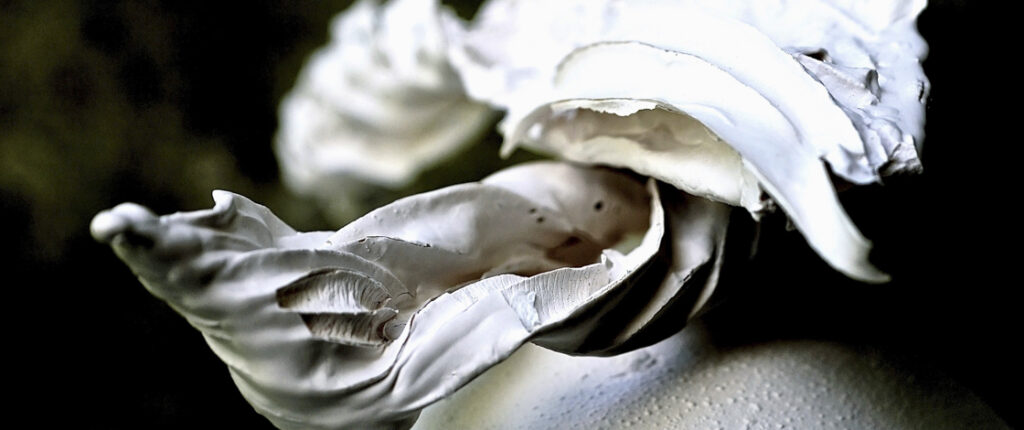
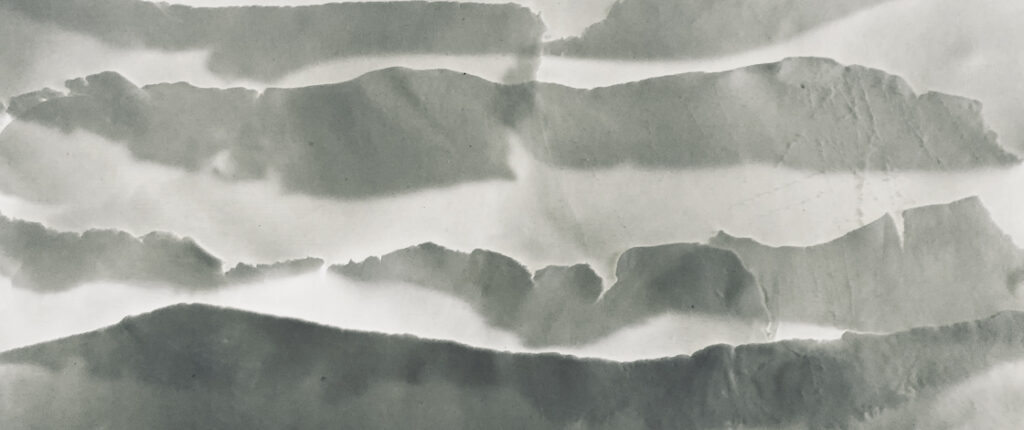
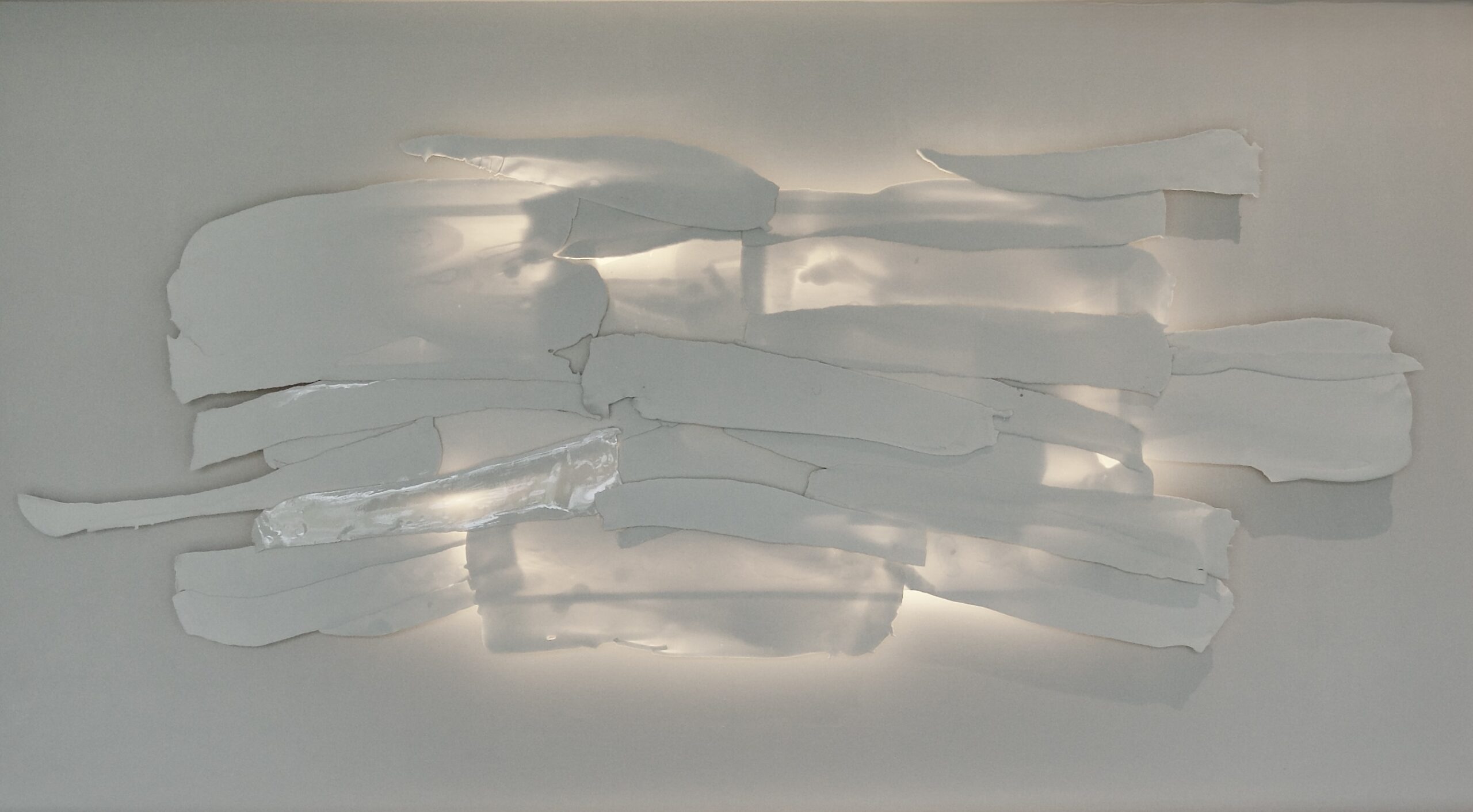
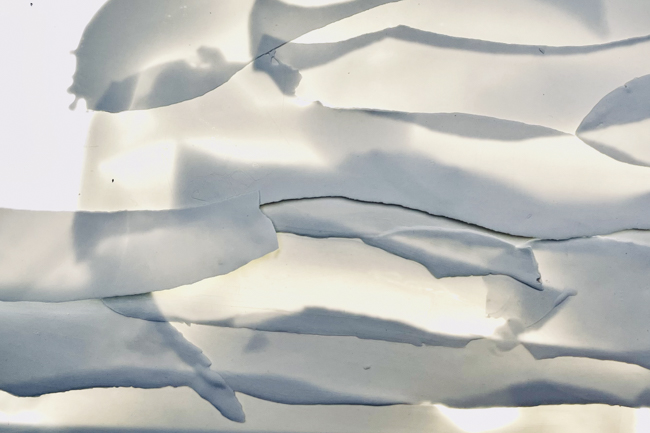
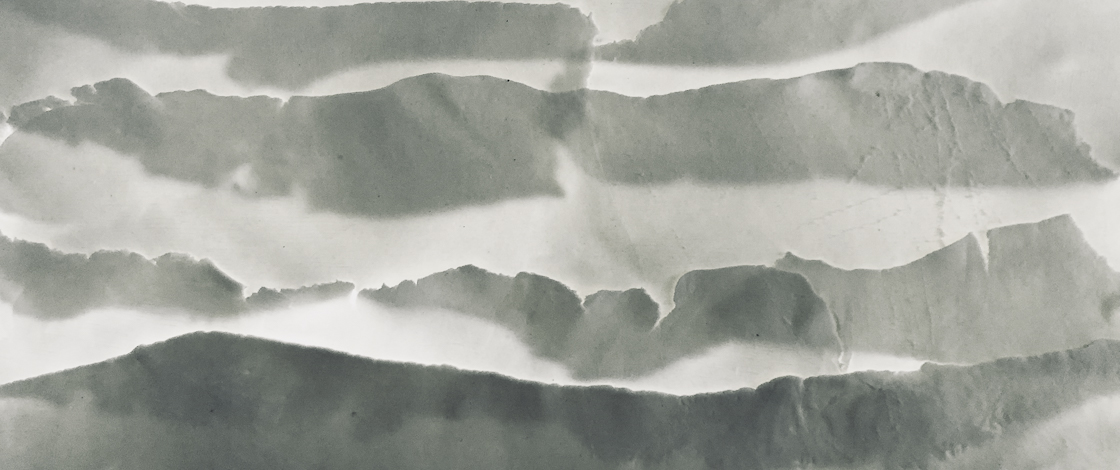
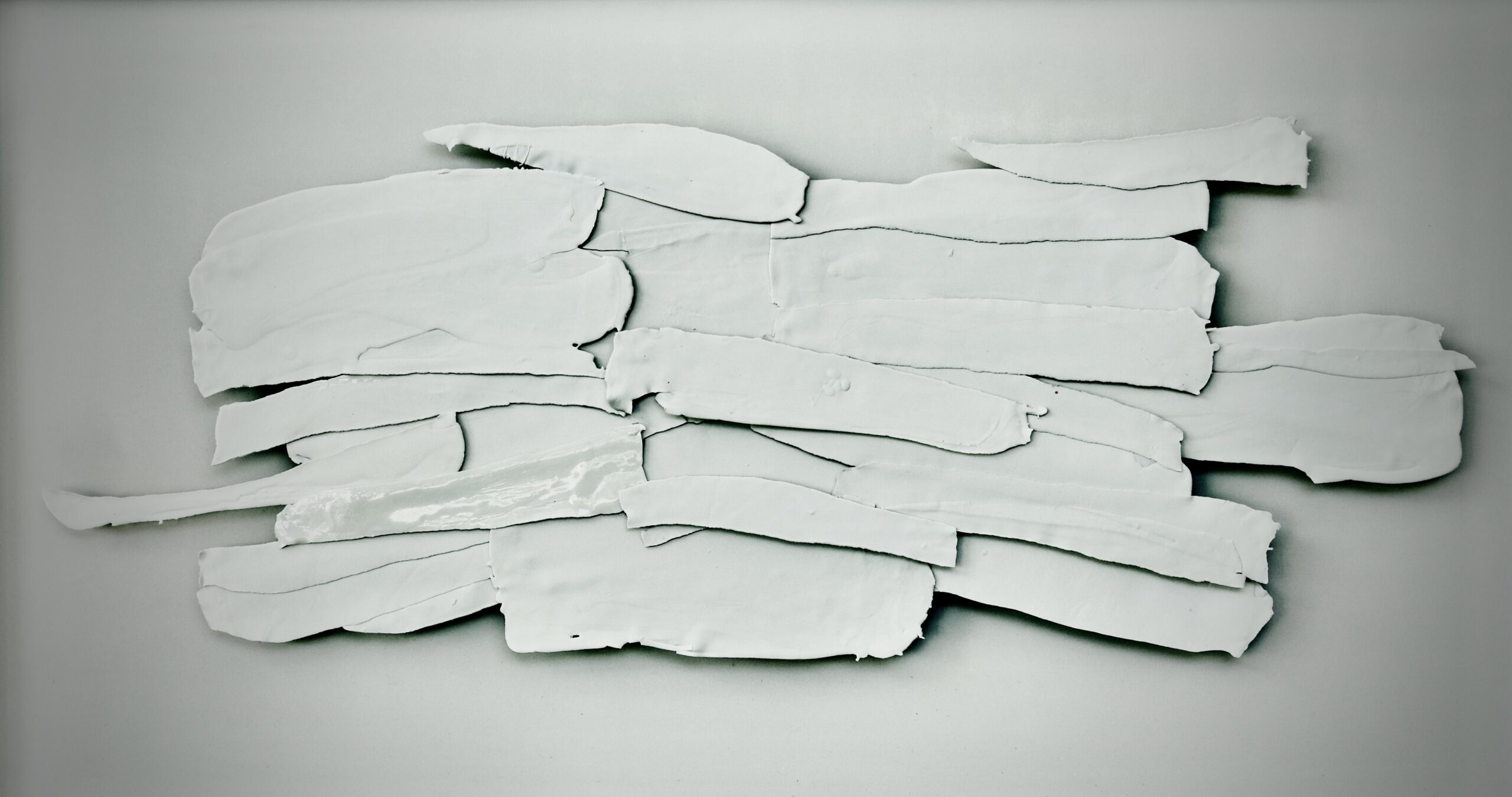
licht object landschap porselein
titel: lichtobject landschap porselein
Jaartal: 2026
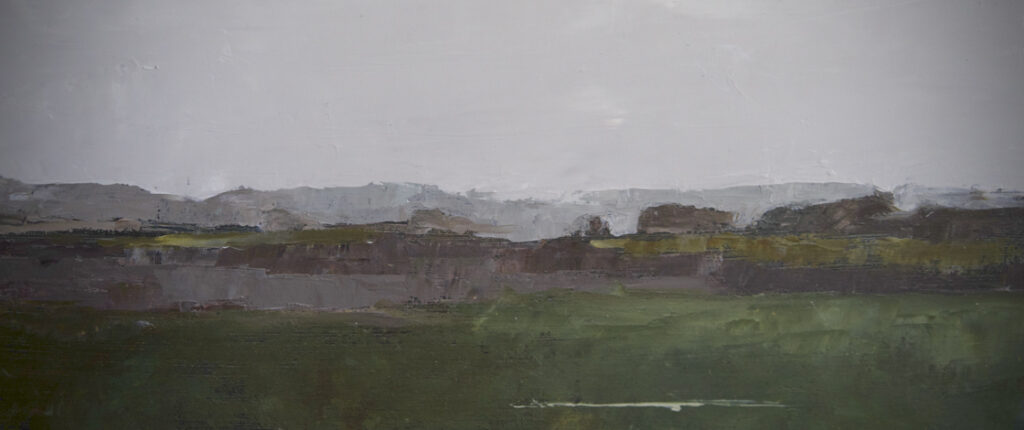
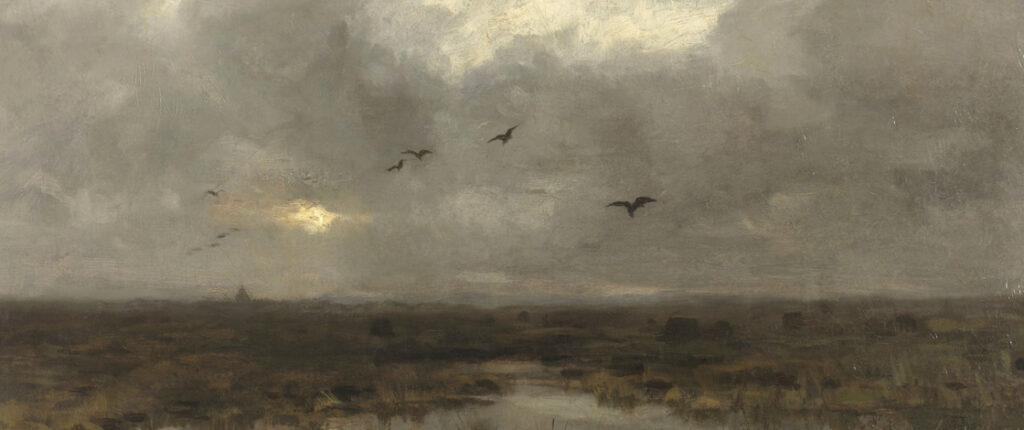
in the artist’s longstanding painting practice, in which the behaviour of light has been a central theme. In this work, light is reduced to its most essential elements: layering, shadow and the fall of light. Here, porcelain reveals its contradictory nature. When illuminated from within, it appears soft and fragile, almost like paper, yet in reality it is hard, sharp and unyielding. It is within this ambiguity that the work finds its strength. Rather than depicting the landscape, the work makes it tangible through structure, light and silence. Het vindt zijn oorsprong in de jarenlange schilderpraktijk van de kunstenaar waarin de werking van licht een centraal thema vormt. En is in dit werk teruggebracht tot zijn meest wezenlijke elementen: gelaagdheid, schaduw en lichtval.
Porselein toont hier zijn tegenstrijdige karakter. Het lijkt zacht en kwetsbaar als papier wanneer het licht erdoorheen valt, maar is in feite hard, scherp en onbuigzaam. In die dubbelzinnigheid ontstaat de kracht van het werk. Het landschap wordt niet afgebeeld, maar ervaarbaar gemaakt als structuur, licht en stilte.