
Home | Beeldend kunstenaar Esther van der Sluis

ESTHER VAN DER SLUIS | visual artist
nature + nurture
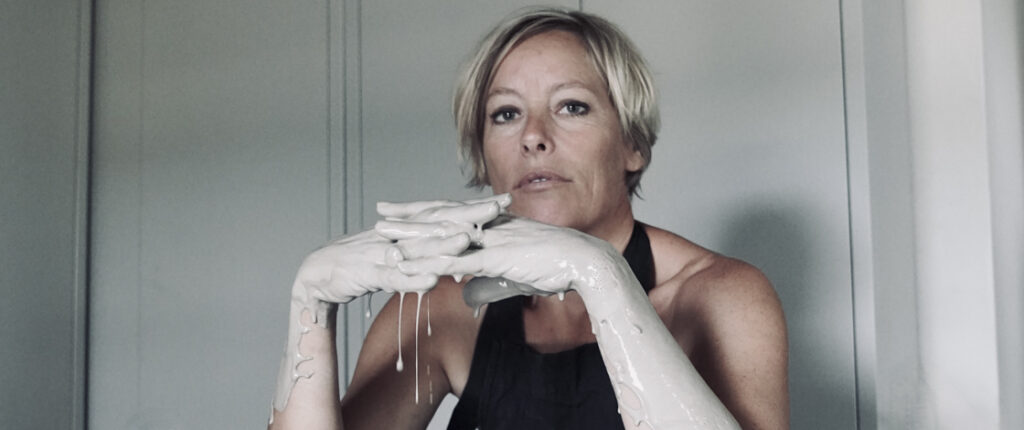
Ik ben opgegroeid met een potlood in mijn hand. En met een moeder als portretschilder heb ik van jongs af aan leren kijken. Ik ben ervan overtuigd dat ‘echt leren kijken’ het fundament is voor een kunstenaar. Door zowel mijn ‘nature’ als ‘nurture’ leerde ik al jong tekenen en schilderen. Als kind had ik ook al een liefde voor architectuur, die altijd een rol is blijven spelen in mijn werk. Ik beperk me dan ook niet tot één materiaal of vakgebied.
Japanes design tradition
Despite my deeply Dutch roots, I feel a profound connection to themes from the Japanese design tradition—both in terms of aesthetics and conceptual focus. Ideas such as impermanence, imperfection, simplicity, and nature as a source of inspiration are familiar and natural elements to me. Two key Japanese concepts closely related to these themes are Wabi-Sabi and Kintsukuroi.
Wabi-Sabi
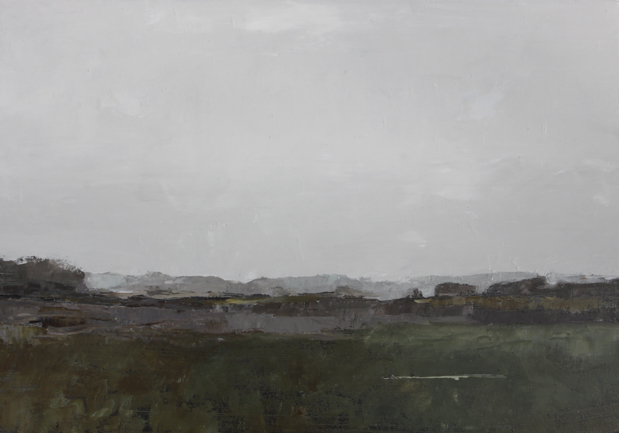
Wabi-Sabi is the most well-known and characteristic concept of Japanese beauty and art. Wabi translates to 'in nature' and 'far from society,' while Sabi represents impermanence. It refers to the natural world, over which we have little control. Natural materials expand, contract, decay, and break. Nature is, therefore, incomplete, imperfect, and transient. Living and working in the heart of the lush Dutch river landscape, this idea resonates with me deeply—it sometimes feels as though I am 'far from society,' retreating to my 'island' in the green, a sanctuary where I can focus on my projects.
"Real leaves, roots, seed pods are captured in the clay from which they once originated. In this way, the circle of life is immortalized in clay."
Kintsukuroi
A Japanese technique that I also incorporate into my work is Kintsukuroi. This is a Japanese art form used to repair broken ceramics. The repair isn’t made invisible; instead, it is highlighted and accentuated with gold paint. The restored ceramic thus becomes a symbol of fragility, strength, and beauty. Kintsukuroi is not just a method for repairing ceramics but carries a deeper meaning: it emphasizes imperfection. Through this, an object gains greater significance. We all experience challenges and hardships in life, and these scars should be visible—they are valuable and meaningful in their own right.

Transience
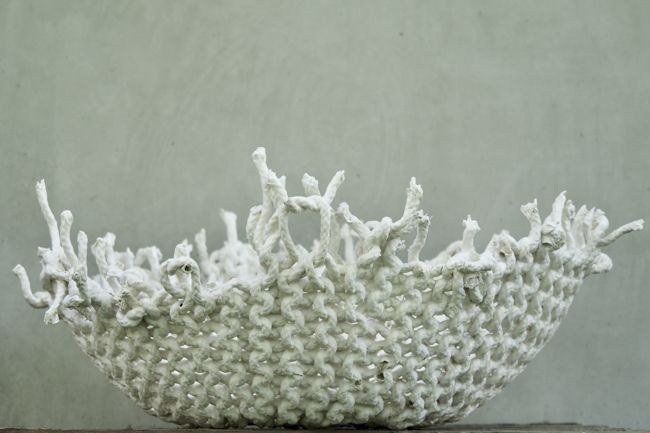
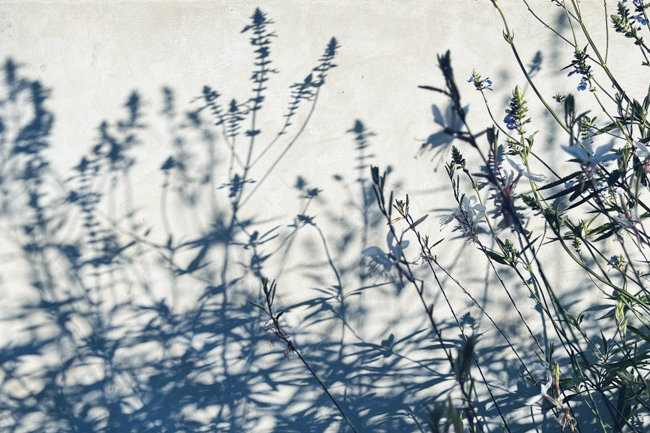
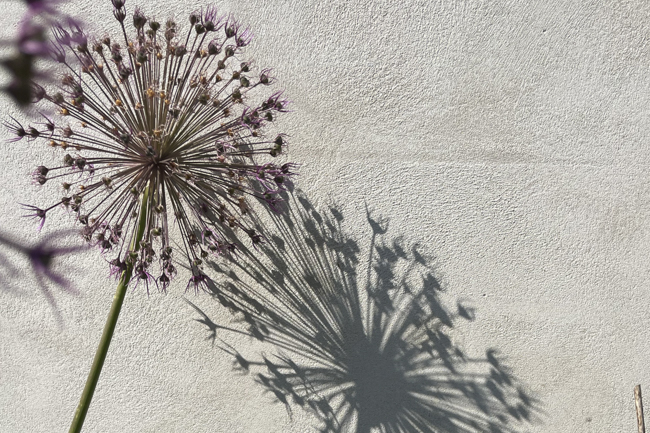
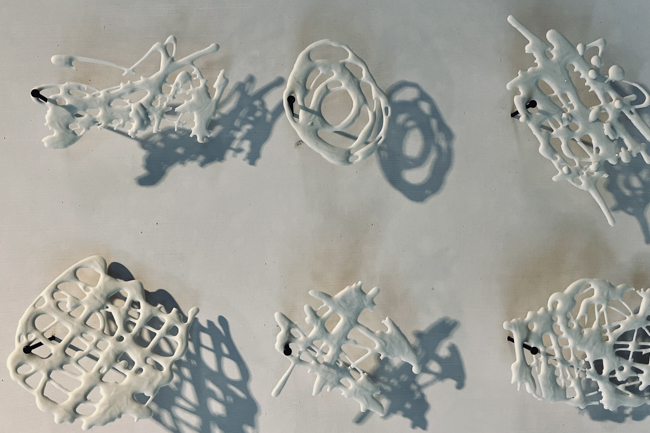
These themes continue to fascinate me and recur in almost all of my work. In a literal sense, I am part of the nature I work with—living and working within it, drawing my inspiration directly from it. Whether it’s misty morning fog, blooming wild carrots, or the fossils I find along the IJssel river, the sense of impermanence is tangible. Seasons come and go, animals live and die, plants bloom and wither. It is precisely this impermanence that provides an endless source of inspiration for me. As an example, I mention project Immortalized i have now been working on this for about 20 years. Natural materials such as seed pods, leaves, and flowers decay in a beautiful, irreversible way. Over the years, I have conducted extensive research into capturing the different stages of this impermanence in clay. Real leaves, roots, and seed pods are preserved in clay—frozen in time, as they once emerged from it. In this way, the circle of life is eternalized in clay.
‘We maken van alles mee in het leven en deze littekens mogen zichtbaar zijn en zijn juist heel waardevol.’
imperfection
This element appears in various ways throughout my work, though in a more subtle and nuanced form. serie Immortalized The work as a whole is about imperfection. All the natural materials are encased in clay and then fired. Since all flowers and leaves burn away during the kiln firing, only the thinnest layer of clay remains. As a result, almost 90% is destroyed in the kiln, with only a few fragments surviving intact. Yet it is precisely this outcome, or perhaps because of it, that is so beautiful and inspiring.
light object
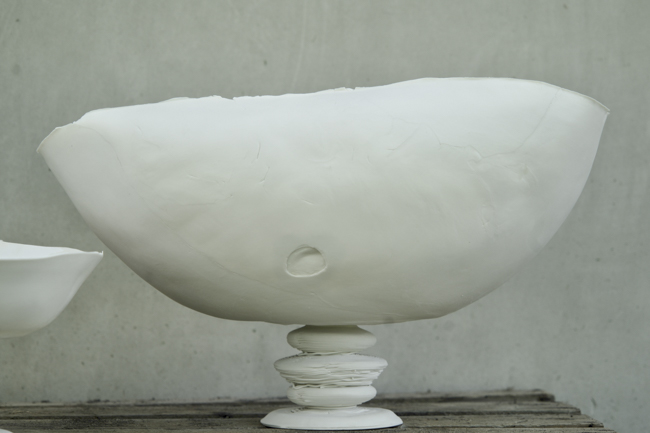
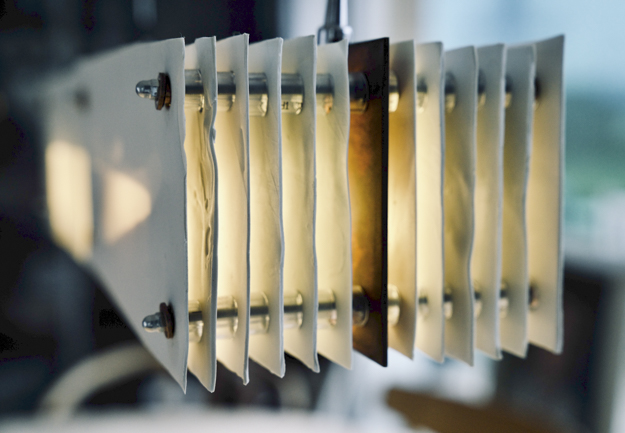
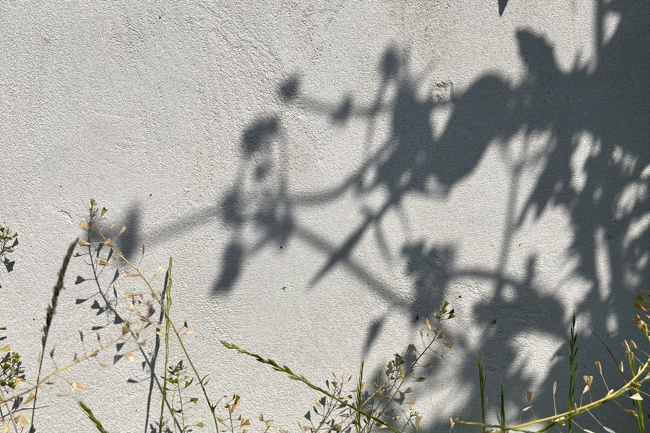
A blazing sun above a sand flat evokes a different atmosphere than a misty morning by the IJssel. Often, light (or the absence of it) unconsciously plays a crucial role in your state of mind. Light represents life.
Licht speelt vaak een belangrijke rol in mijn werk. Door te spelen met licht probeer ik een bepaalde gemoedstoestand uit te lokken. Of het nu gaat om olieverf, interieurontwerp of keramiek. Bij een (interieur-)ontwerp start ik met de vraag waar de zon op komt en weer onder gaat. Dat vormt het beginpunt van mijn ontwerp omdat ik de aanwezigheid van natuurlijk licht heel erg belangrijk vind. kunst– en light objects.
recognizable handwriting
Contrast
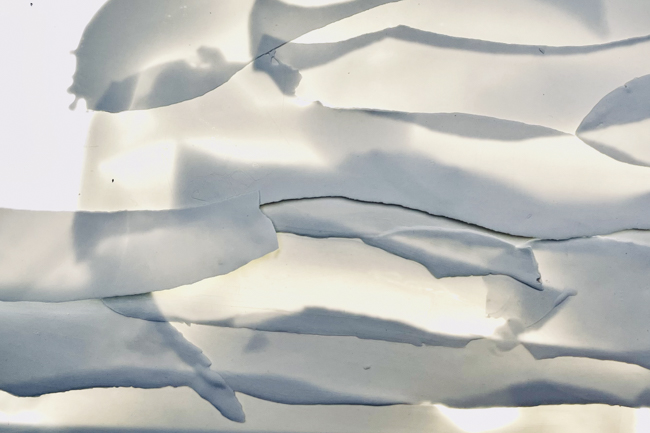
Contrasts are always present and characteristic of visual artist Esther van der Sluis's work: fragility versus strength, subtle forms versus unpolished edges, gloss versus roughness and matte surfaces. Another contrast is evident in Van der Sluis's preference for working very thin and delicate, even though the base material itself is inherently rough and hard. This often results in imperfections and distortions in the ceramics, as the extreme temperatures during firing are unforgiving. However, these imperfections make the work all the more intriguing, giving the objects a unique and distinctive character.
colour palette
Her signature can be found in her consistent use of a specific color palette—earthy and understated, a quality recognizable throughout all her work. Whether it concerns... interieurontwerp, kunstschilderwerk or keramiek Years of research and experience have resulted in a very distinct color palette. Driven by her specific preferences, she has conducted extensive studies on color and developed her own unique recipes for glazes.
Make an Appointment
Wil je een afspraak maken voor een bezoek aan de studio of een brainstormsessie? maak hieronder een afspraak.